Claim a Free Estimate Today
Smart Planning Saves You Thousands
Avoid These 5 Costly Tree Removal Mistakes in Sulphur, LA
Mistake 1: Hiring Uninsured or Unlicensed Contractors
One of the most dangerous financial decisions property owners make is choosing a tree removal service based solely on the lowest bid. When a contractor quotes a price far below market rate, it often signals missing insurance coverage, inadequate licensing, or insufficient training. If an uninsured worker is injured on your property during tree removal, you may face direct liability for medical expenses, lost wages, and potential lawsuits that can exceed six figures.
In Sulphur and the surrounding Lake Charles area, storm-damaged trees following hurricane season create urgent removal needs. Unlicensed contractors often emerge after severe weather events, offering quick removal at bargain prices. However, these operators frequently lack proper equipment, fail to secure permits when required, and disappear before addressing property damage or incomplete work. When a large oak falls incorrectly onto your roof or power lines, the original savings evaporate under repair costs that easily surpass twenty thousand dollars.
Verify that any tree company you hire carries both general liability insurance and workers’ compensation coverage. Request certificates of insurance directly from their carrier, not photocopies that can be altered. Licensed professionals also understand local ordinances regarding tree removal permits, protected species, and proper disposal methods. In Calcasieu Parish, certain heritage trees require approval before removal, and working with unlicensed contractors can result in fines that become your responsibility as the property owner.
Professional tree services maintain current licensing, carry adequate insurance limits (typically one to two million dollars in coverage), and provide detailed written contracts that specify scope of work, timeline, and cleanup procedures. This documentation protects both parties and ensures accountability throughout the project. When evaluating contractors, ask about their safety record, request references from recent projects, and confirm they will handle all debris removal and stump grinding as part of their quoted price rather than adding surprise fees after the work begins.
Mistake 2: Underestimating Tree Size and Proximity to Structures
Height and weight miscalculations during tree removal lead to some of the most expensive property damage claims. A mature pine tree in Sulphur can reach eighty feet tall and weigh several tons. When felling direction is misjudged by even a few degrees, the trunk can pivot during descent and strike structures, vehicles, or neighboring properties. The clay-heavy soil common throughout Southwest Louisiana can also affect how trees fall, as root systems behave differently than in sandy or loamy ground.
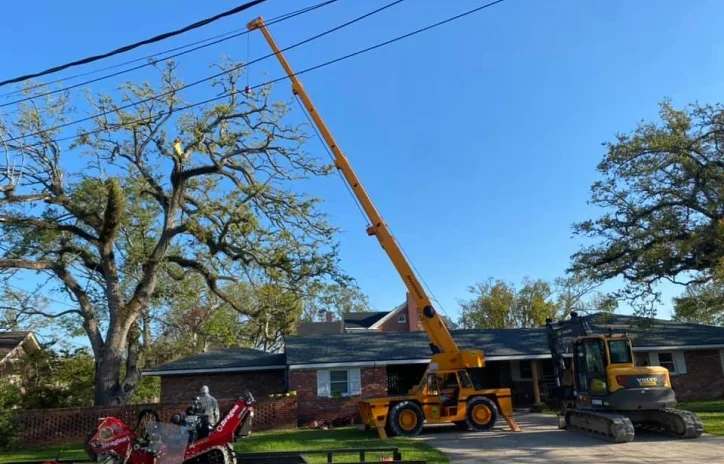
Many property owners make visual estimates without accounting for lean, crown density, or internal rot that shifts the tree’s center of gravity. A tree leaning away from your home may actually have more weight distributed toward the structure due to asymmetric branch growth. During removal, this imbalance can cause unexpected rotation as the trunk separates from the stump. Professional tree removal services use specialized equipment like cranes, rigging systems, and sectional dismantling techniques to control every phase of the process, especially when working within ten feet of buildings, pools, or utility lines.
The proximity factor becomes even more critical in established Sulphur neighborhoods where homes sit on smaller lots with trees planted decades ago. What seemed like adequate spacing in the 1970s now means mature oaks and sweet gums tower over rooflines with branches extending across multiple properties. Removal in these tight quarters requires precision cuts, strategic rope work, and often a bucket truck to safely lower sections without damaging siding, gutters, or landscaping. Attempting this work without proper equipment and training regularly results in crushed air conditioning units, punctured roofs, and destroyed fencing.
Professional assessment includes measuring tree height with laser rangefinders, evaluating lean angle with inclinometers, and using sonic tomography to detect internal decay that compromises structural integrity. These diagnostics inform the removal strategy and help identify situations where standard felling is too risky. A qualified tree service will recommend crane-assisted removal or sectional dismantling when the tree exceeds safe parameters for conventional methods, even though these approaches increase project cost. The premium paid for specialized techniques is minimal compared to repairing a home’s structural damage or replacing a vehicle crushed by an uncontrolled fall.
Mistake 3: Ignoring Root System Complexity and Soil Conditions
Root systems extend far beyond the visible trunk and canopy, often spreading horizontally to a distance equal to or greater than the tree’s height. When property owners focus exclusively on removing the visible tree and ignore the underground network, they create hazards that emerge months or years later. In Sulphur’s heavy clay soil, roots can penetrate foundation walls, wrap around underground utilities, and destabilize driveways and sidewalks even after the tree is gone. The expansive soil common to this region compounds these problems, as moisture changes cause the ground to shift and settle unpredictably.
Stump grinding service addresses only the visible portion of the stump, typically grinding six to twelve inches below grade. However, major structural roots can extend twenty to thirty feet from the trunk and remain alive for extended periods, continuing to affect surrounding infrastructure. Oak and sweet gum trees, prevalent throughout Southwest Louisiana, develop particularly aggressive root systems that infiltrate sewer lines, crack concrete slabs, and lift paved surfaces. Failing to address these roots during tree removal often means calling an excavation service later to repair damage that could have been prevented with proper site preparation.
Professional tree removal includes evaluating what lies beneath the surface before cutting begins. In older Sulphur neighborhoods, underground utilities, septic systems, and shallow water lines often run close to mature trees. A qualified tree company will request utility location services to mark gas, electric, cable, and water lines before any digging or stump removal occurs. This step prevents service interruptions and avoids the substantial fines and repair costs associated with damaging municipal infrastructure.
Complete root removal requires excavation equipment and knowledge of local soil behavior. The clay content in Calcasieu Parish soil means roots often grow in shallow, spreading patterns rather than deep taproots. Grading contractors who understand this regional characteristic can properly prepare the site after tree removal, ensuring adequate drainage and soil stability for replanting or construction. Attempting to cut corners by leaving major roots in place typically leads to ongoing settlement issues, recurring sprouts that require repeated trimming service, and eventual failure of any hardscaping installed over the old root zone. Investing in thorough root removal and proper site restoration saves thousands in future repairs and eliminates the frustration of dealing with problems that should have been resolved during the initial project.
Mistake 4: Poor Timing and Ignoring Weather Conditions
Scheduling tree removal without considering weather patterns, seasonal factors, and project urgency leads to unnecessary complications and inflated costs. Hurricane season runs from June through November in Southwest Louisiana, and the weeks immediately following major storms create overwhelming demand for emergency tree removal. Property owners who delay removing damaged or dying trees until after a storm event often face weeks-long wait times, premium emergency rates, and limited contractor availability when dozens of neighbors compete for the same services.
Attempting tree removal during wet conditions presents serious safety hazards and can cause extensive property damage. The clay soil throughout Sulphur becomes extremely soft and unstable when saturated, making it impossible for heavy equipment to access work sites without rutting lawns, compacting soil, or getting stuck entirely. Professional tree services monitor weather forecasts and soil conditions carefully, often rescheduling work when ground conditions compromise safety or when wind speeds exceed safe limits for climbing and rigging operations. Property owners who pressure contractors to work in marginal conditions increase the risk of accidents and property damage that insurance may not cover.
Seasonal timing also affects project efficiency and cost. Late fall through early spring typically offers optimal conditions for tree removal in this region. Cooler temperatures reduce heat stress on work crews, deciduous trees have dropped their leaves (reducing weight and improving visibility), and ground conditions remain firm enough for equipment access. Summer removal during peak heat requires more frequent breaks, increased hydration, and often means starting work at dawn to complete cutting before afternoon heat becomes dangerous. These factors can extend project timelines and increase labor costs by twenty to thirty percent compared to cooler months.
Dying or structurally compromised trees constitute genuine emergencies that require immediate attention regardless of season or weather. A large tree leaning toward your home after storm damage will not wait for convenient scheduling. Emergency tree removal services provide rapid response for hazardous situations, but these calls command premium pricing due to after-hours work, expedited scheduling, and the increased risk of working in compromised conditions. Regular tree trimming and pruning throughout the year helps identify potential problems before they become emergencies. An annual inspection by qualified professionals can spot disease, structural weakness, and dangerous growth patterns while they are still manageable with routine maintenance rather than costly emergency response. This proactive approach protects your property investment and ensures you schedule major work during optimal conditions rather than reacting to crises.
Mistake 5: Attempting DIY Removal Without Proper Training or Equipment
The decision to handle tree removal as a DIY project ranks among the most dangerous choices a property owner can make. Tree work consistently appears on the list of most hazardous occupations, with serious injuries and fatalities occurring regularly even among trained professionals using proper safety equipment. Chainsaws, falling limbs, unstable trunks, and heights combine to create multiple simultaneous risk factors that require specialized training and experience to manage safely. A single mistake can result in permanent disability or death, making any perceived cost savings meaningless compared to the potential consequences.
Homeowner’s insurance policies typically contain exclusions that limit or deny coverage for injuries and property damage resulting from tree work performed by the property owner or unlicensed helpers. If you are injured during DIY tree removal, your medical insurance may deny claims for what they classify as self-inflicted injuries resulting from unnecessary risk-taking. If your falling tree damages a neighbor’s property, your liability coverage may not apply because the damage resulted from work that should have been performed by licensed professionals. These coverage gaps can expose you to hundreds of thousands of dollars in out-of-pocket costs that far exceed what professional tree removal would have cost.
Equipment requirements extend well beyond a chainsaw and ladder. Professional tree services use climbing gear rated for load-bearing, rigging systems with engineered pulleys and ropes, chippers that process debris safely, stump grinders with specialized cutting teeth, and often aerial lifts or cranes for large specimens. Renting this equipment costs hundreds of dollars per day, requires training to operate safely, and still leaves you without the skill and experience to assess tree behavior during cutting. A tree’s response to notch cuts, back cuts, and hinge formation takes years of hands-on practice to master. Improper technique causes barber chair splits where the trunk violently kicks upward, or uncontrolled falls that send multi-ton trees crashing in unintended directions.
The cleanup phase also exceeds most homeowners’ capabilities. A mature tree generates several tons of wood and debris that must be cut into manageable pieces, loaded, transported, and disposed of properly. Many municipal landfills prohibit tree waste in regular trash collection, and burning regulations in Sulphur and Calcasieu Parish restrict when and how you can burn yard debris. Professional services include complete cleanup, debris removal, and stump grinding as standard components of their tree removal service, eliminating weeks of backbreaking work hauling branches and dealing with an unsightly stump that remains rooted in your yard.
If you have concerns about a tree on your property, whether it shows signs of disease, suffered storm damage, or simply needs removal for construction or landscaping projects, the responsible choice is scheduling an assessment with qualified professionals. Most reputable tree services provide free evaluations that identify hazards, explain your options, and deliver transparent pricing without obligation. This consultation gives you accurate information to make informed decisions about your property while avoiding the substantial risks and hidden costs of attempting the work yourself. Taking this first step protects your family, your property, and your financial security while ensuring the job is completed safely and correctly the first time.